CLINICAL SERVICES HUB & DEDICATED

Heel Pain & Plantar Fasciitis

Targeted, non-surgical relief for sharp heel pain, morning foot stiffness, and chronic plantar fasciitis.

About Georgina

Your assessment begins with understanding your symptoms, activity, footwear, medical history and how your foot and lower limb are functioning. With over 14 years of clinical experience, we look beyond the location of the pain to identify factors that may be contributing to it. Where treatment is appropriate, recommendations are individualised according to your diagnosis, lifestyle and goals. The underlying cause of your heel pain may be plantar fascia injury as this is the most common presentation, but there are other conditions that cause similar pain and need to be differentiated clinically including nerve pain, fat pad atrophy, bursitis, infection, referred pain, fractures and tears etc. Management is focused on evidence-based, non-surgical care wherever appropriate, with the aim of reducing pain, improving function and helping you return comfortably to everyday activity

What it treats

Ideal for individuals who experience sharp, stabbing or aching pain at the bottom of the heel during their first steps in the morning, runners with heel soreness, workers standing for prolonged hours, children or teenagers with unresolving heel pain or those with pain in general.

Really happy with the care I received. The Nova podiatrist was professional, friendly, and explained everything clearly. My feet feel much more comfortable, and I would highly recommend the clinic

Janice Zapery Customer

From the moment I arrived, I felt welcomed and looked after. The team was helpful, and the treatment was explained in a way that was easy to understand. A great experience overall!

John Doe Customer

Frequently Asked Questions (FAQs)

Why does my heel hurt with my first steps out of bed?
Morning or “first-step” pain is commonly associated with plantar fascia-related heel pain. After a period of rest, the first few steps can place load through sensitive tissues, which is why discomfort may be particularly noticeable when you first get up.
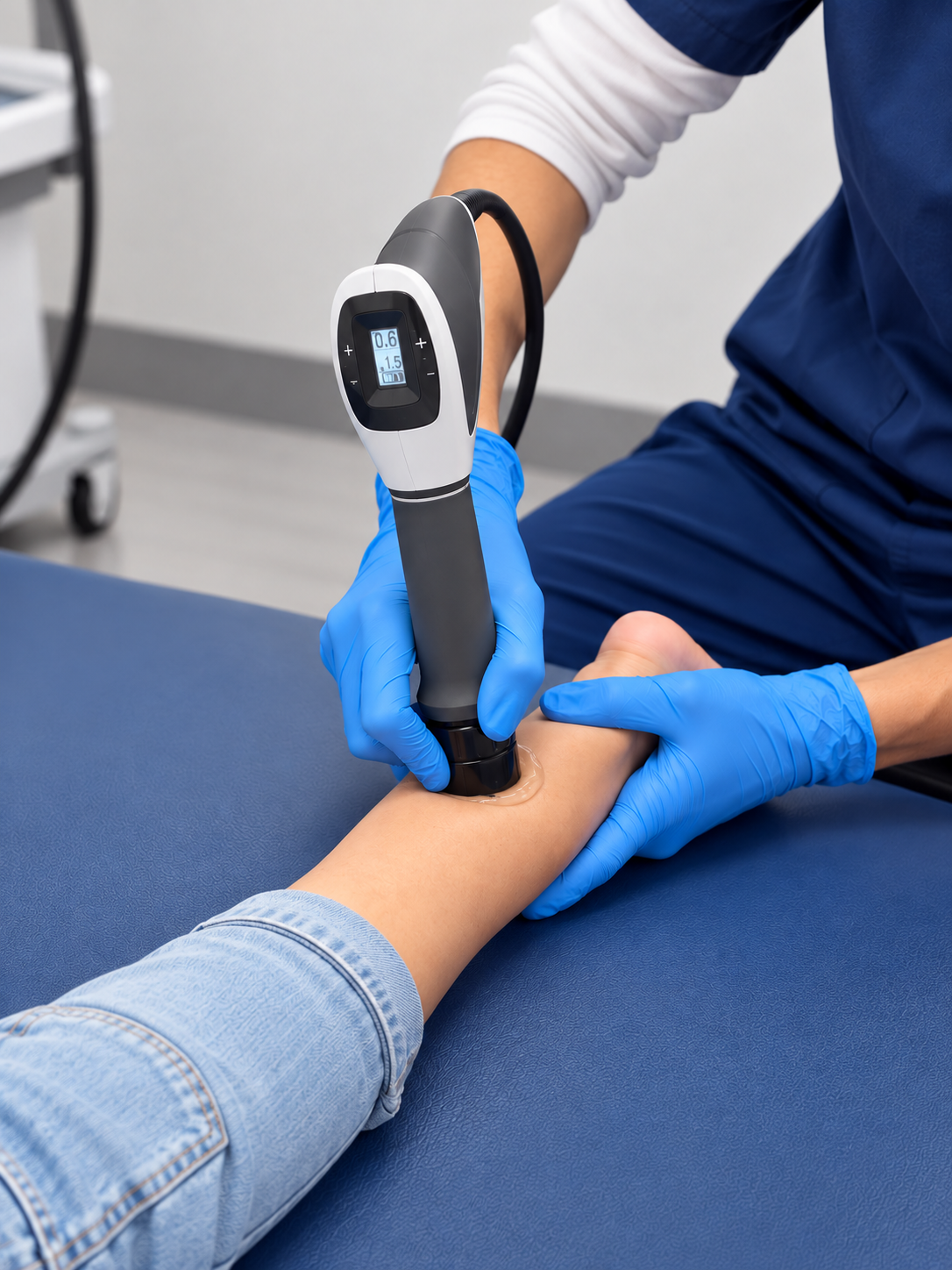
Shockwave therapy can feel uncomfortable, but the sensation varies between individuals and according to the area being treated. Treatment intensity can be adjusted according to your tolerance
Not necessarily. Heel pain can have different contributing factors, and orthotics are not required for every patient. We recommend them only when there is a clinical reason they are likely to benefit you
Persistent heel pain deserves a fresh assessment. If symptoms have not improved as expected, we reassess the diagnosis and contributing factors rather than simply repeating the same treatment.