Sports Podiatry & Lower Limb Rehab

Assessment and non-surgical management of foot, ankle and lower-limb pain for runners, athletes and active individuals — from new injuries to persistent or recurring problems.

Who Is It For?

You don’t have to be an elite athlete to benefit from sports podiatry. We assess people experiencing foot, ankle, Achilles, shin, knee or lower-limb pain associated with running, gym training, sport or increased activity. We also see patients struggling with recurring injuries, instability, reduced performance or pain that repeatedly returns when they resume exercise. Common presentations include: Achilles pain

Footwear & Sport

The right shoe isn’t simply determined by whether you have a “flat” or “high-arched” foot. Footwear recommendations should consider your activity, symptoms, training demands, comfort and individual biomechanics. We can help you understand what features to look for when choosing running, gym or sports footwear and point you towards more suitable shoes for your overall build

Really happy with the care I received. The Nova podiatrist was professional, friendly, and explained everything clearly. My feet feel much more comfortable, and I would highly recommend the clinic

Janice Zapery Customer

From the moment I arrived, I felt welcomed and looked after. The team was helpful, and the treatment was explained in a way that was easy to understand. A great experience overall!

John Doe Customer

Understanding Why Your Injury Keeps Coming Back Treating where it hurts is only part of the picture.

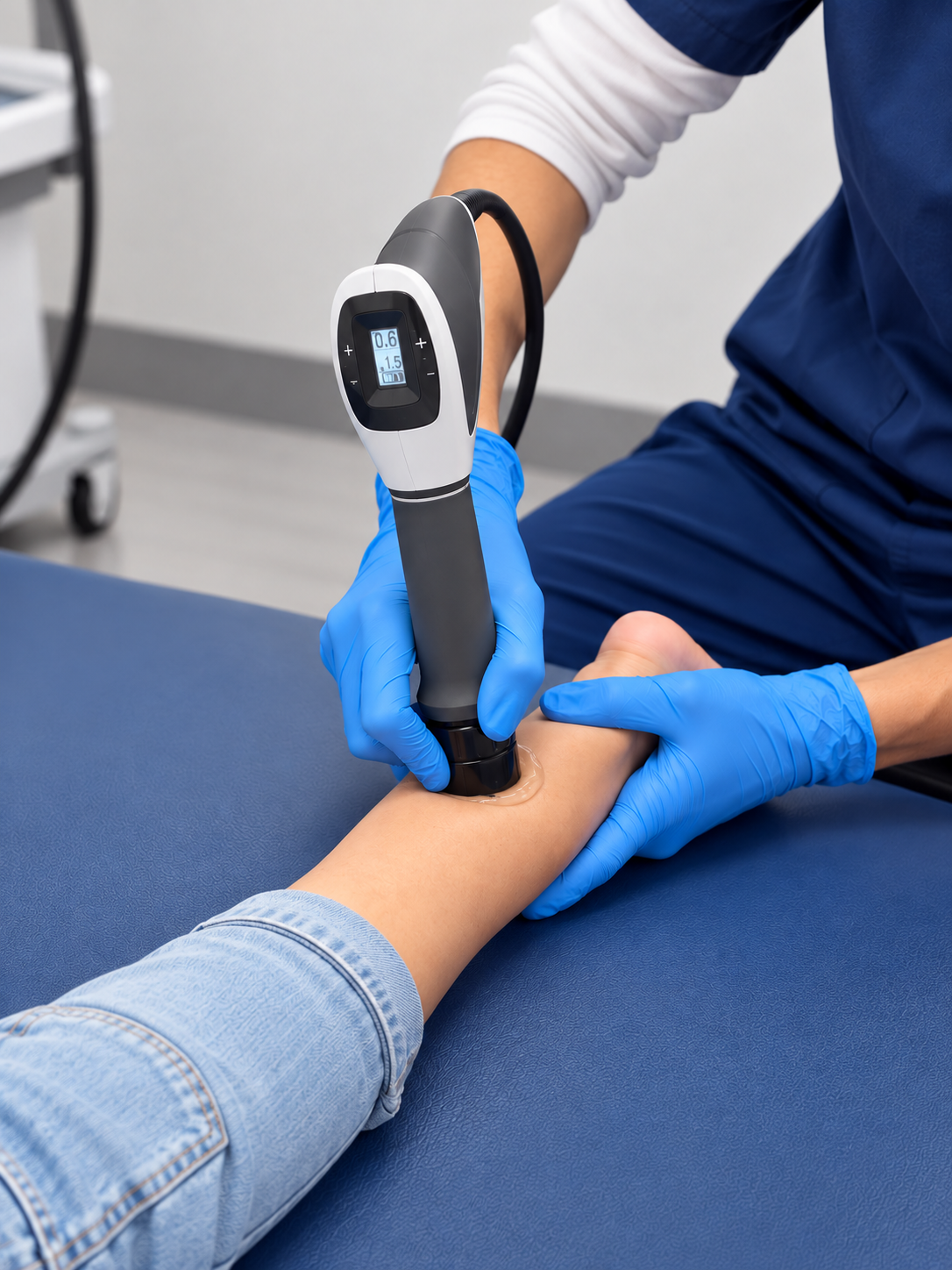
With over 14 years of clinical experience in lower-limb biomechanics and musculoskeletal podiatry, assessment considers how your foot, ankle and lower limb are functioning alongside your sport, training demands, previous injuries, footwear and activity history. The aim is to understand the factors contributing to your symptoms and develop a practical plan that helps you return to the activities that matter to you. Management is individualised according to your diagnosis, activity and goals. Where appropriate, this may involve rehabilitation, load modification, footwear advice, orthotic management or other non-surgical therapies. For more persistent injuries, advanced treatment options may also be considered where clinically appropriate

Frequently Asked Questions (FAQs)

Do I need to stop running or exercising while I’m having treatment?
Not necessarily. Complete rest is not appropriate for every injury. Where safe, the aim is often to modify activity and gradually rebuild capacity rather than unnecessarily stopping everything you enjoy. This depends on the diagnosis and severity of the injury.
Recurring symptoms can have several contributing factors, including training load, strength and capacity, previous injury, footwear and lower-limb mechanics. A clinical assessment can help identify which factors may be relevant to you.
Not necessarily. Orthotics are one management option and are recommended only when there is a clinical indication for them.
Yes. Persistent or recurring symptoms may benefit from reassessment, particularly when the original treatment has not produced the expected improvement.